


BLOOD TYPE Patch
Blood Type Patch – Tactical Medical Identification
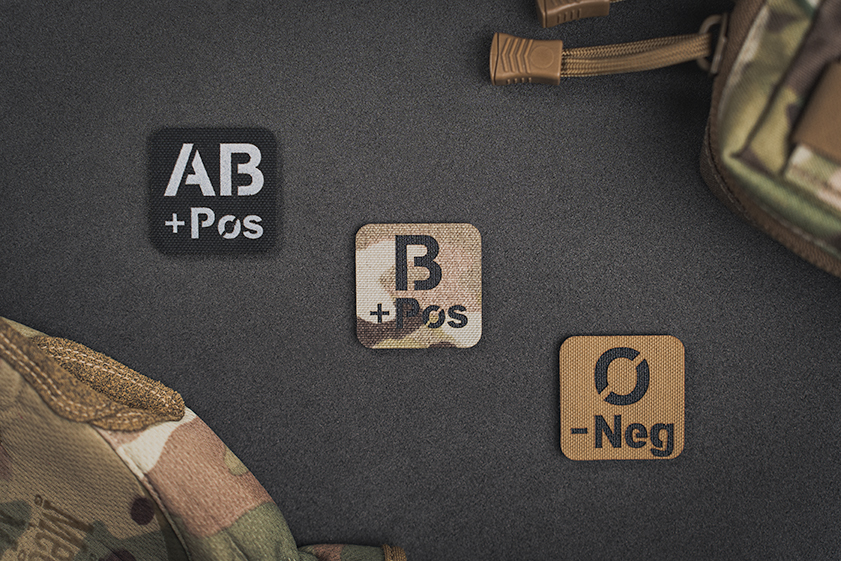
Select Your Blood Type Patch
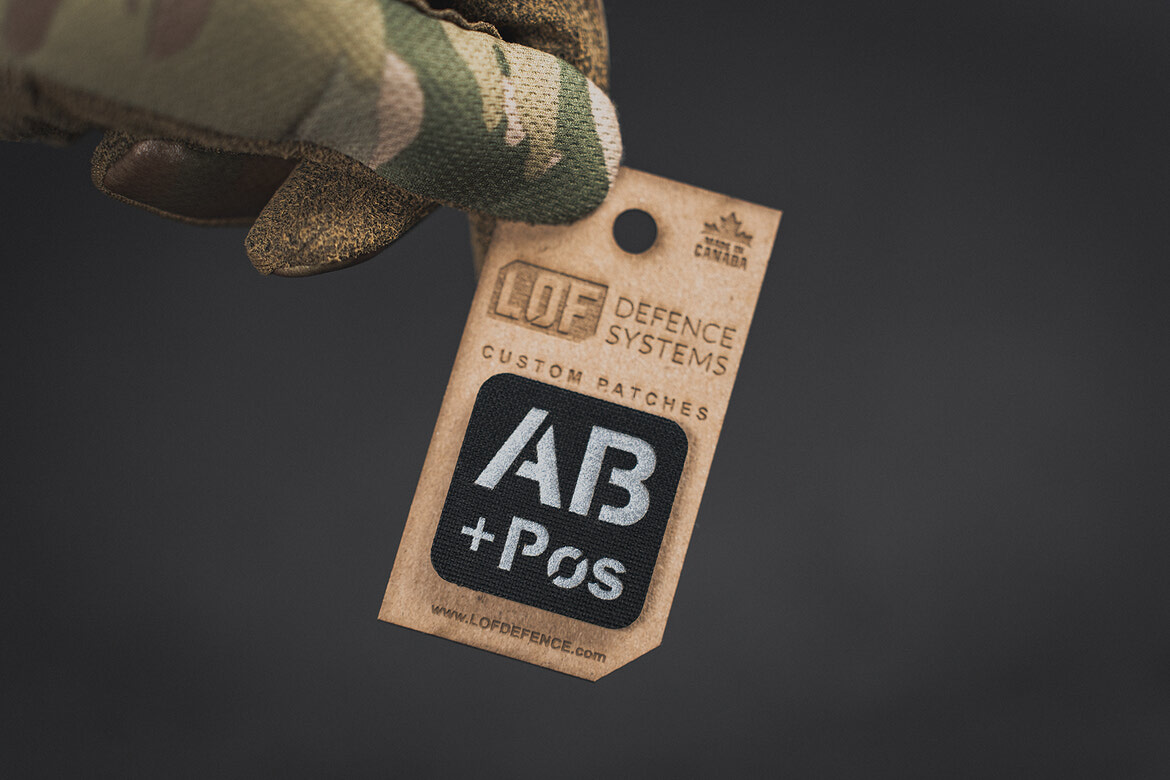
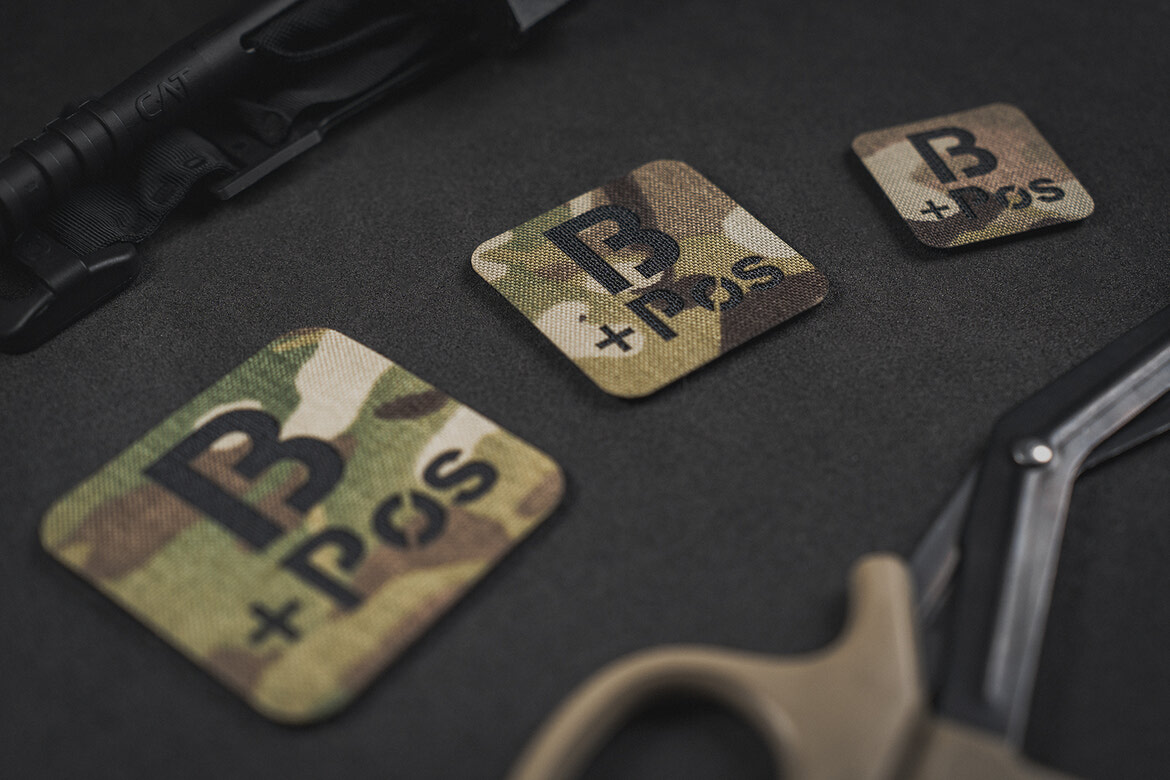
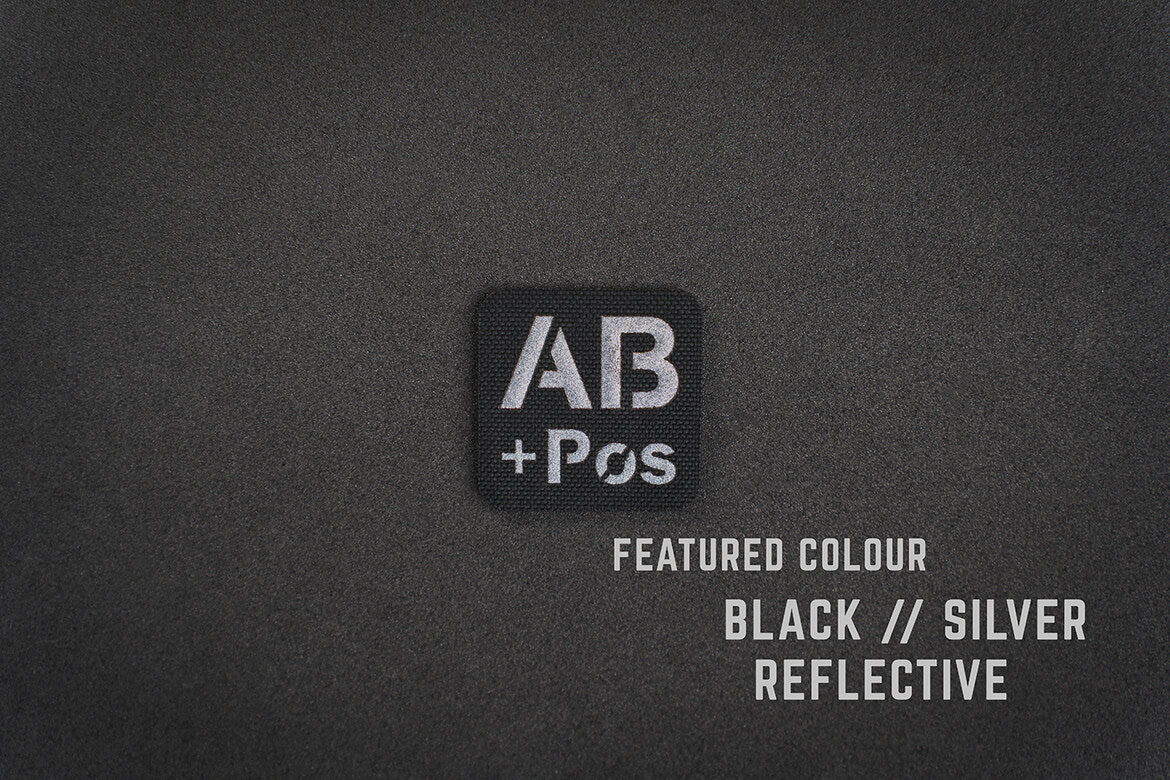
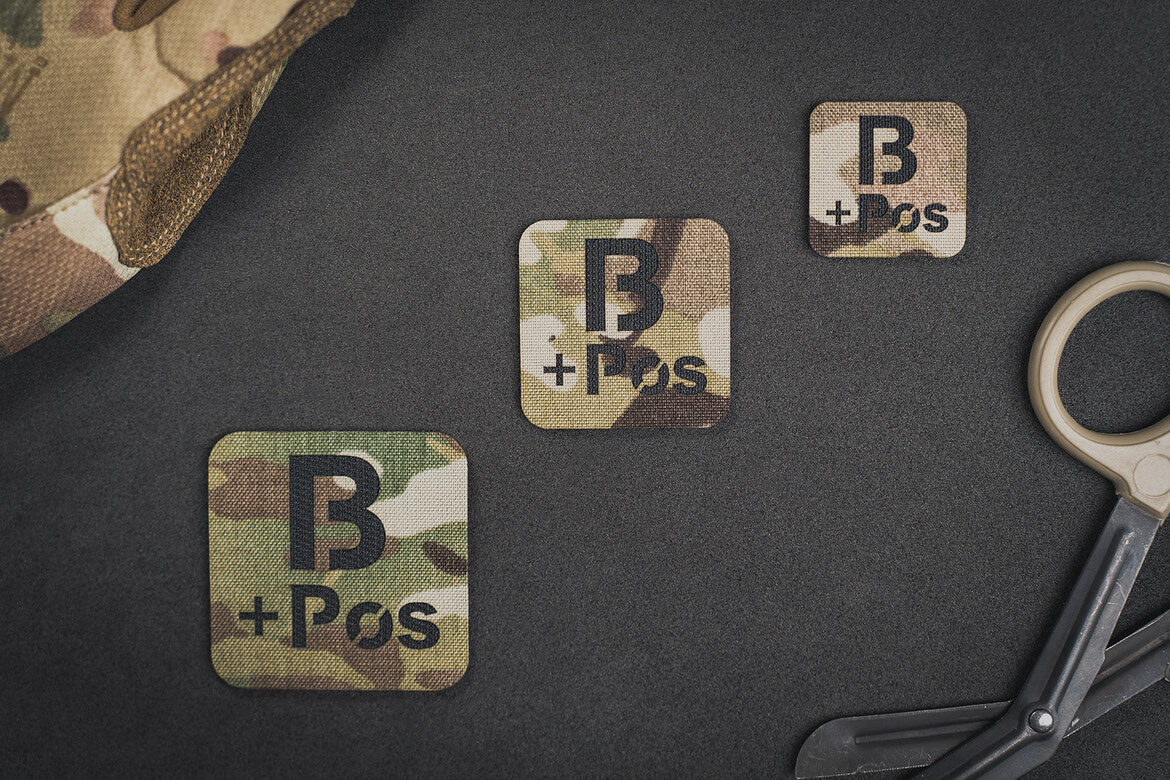
The LOF Defence Blood Type Patch is built from rugged, American-milled 500-Denier CORDURA® with MIL-SPEC hook Velcro and industrial-strength adhesive for secure mounting to vests, plate carriers, backpacks, or uniform loop panels. Designed for tactical operators — military, law enforcement, and first responders — the patch provides a clear, quick-reference blood type identifier on your gear. While blood type patches are not a guarantee for medical transfusion in civilian hospitals or EMS settings, many operators still value them as an immediate visual cue that can speed identification of blood group in field, training, or emergency scenarios. More than just a “morale patch,” a properly mounted blood-type patch delivers simple, visible medical info — and lets the wearer show readiness and professionalism. Available in multiple sizes for chest rigs, plate carriers, jackets, or packs, the LOF Blood Type Patch adheres securely to any loop-Velcro platform.
Blood type patches have been used for decades in military and tactical communities as a fast visual marker during field operations. Historically, they were added to uniforms, plate carriers, or medical gear to help medics quickly identify a soldier’s blood group during immediate trauma care.
However, modern medical protocols — both military and civilian — require verification of blood type through testing, even in emergencies. Because of this, some experts argue that blood type patches aren’t medically decisive and shouldn’t replace official identification or proper medical procedures.
Despite these criticisms, blood type patches remain popular among military members, law enforcement, and prepared civilians. Many users still value them for:
-
Rapid visual reference during training, field exercises, or mass-casualty scenarios
-
Team organization and role identification
-
Marking gear, IFAKs, and trauma kits
-
Personal preference, readiness mindset, and tactical aesthetics
While a blood type patch alone won’t determine clinical treatment, it does provide a clear, instantly recognizable identifier on your gear — and continues to be a trusted part of the tactical community’s kit culture.
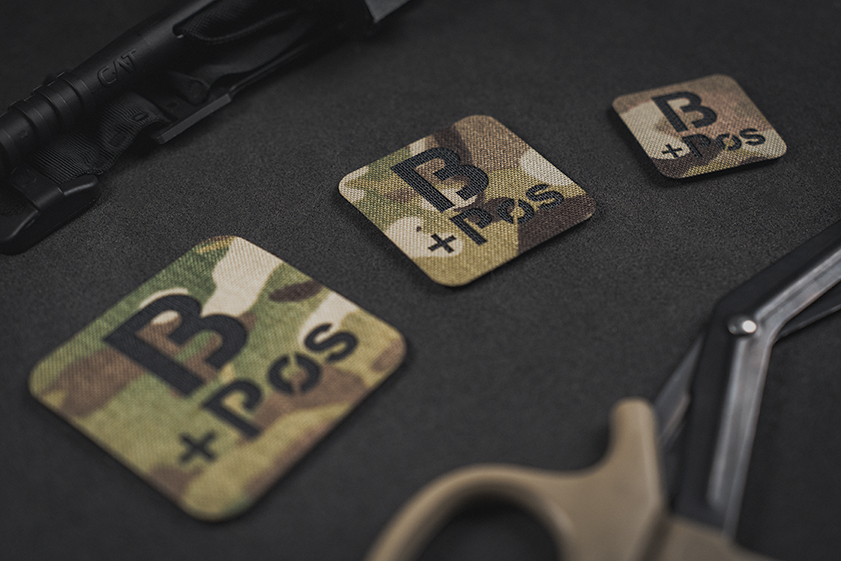
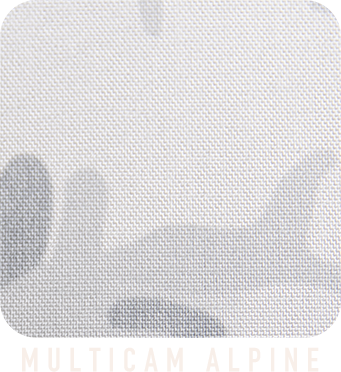
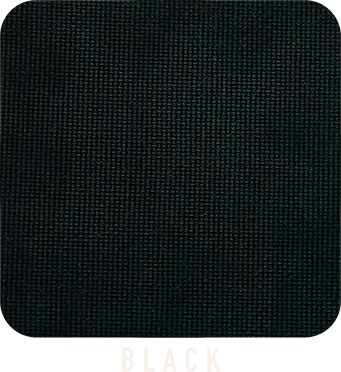
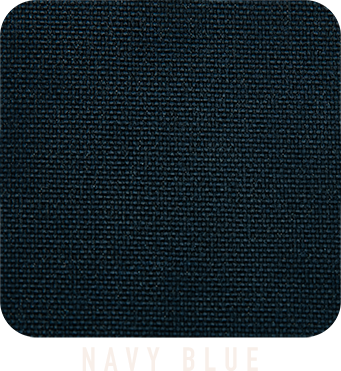
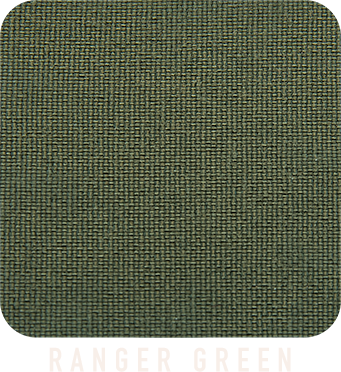
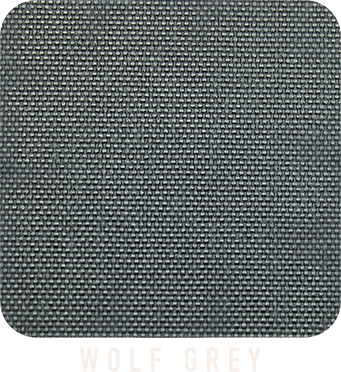
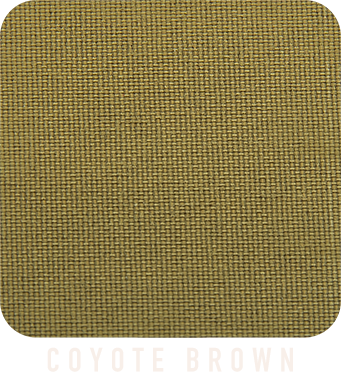
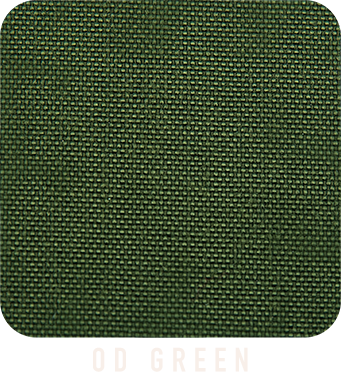
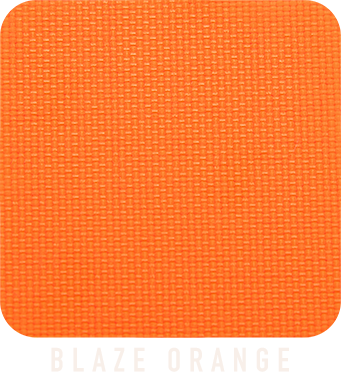
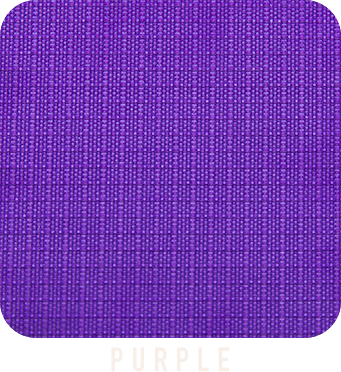
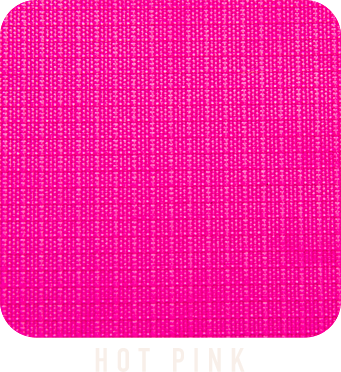
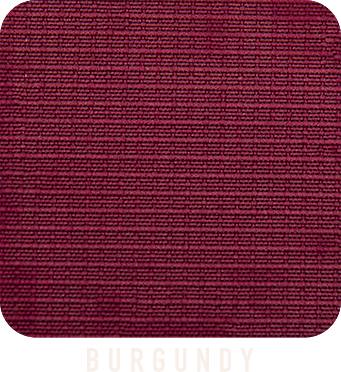
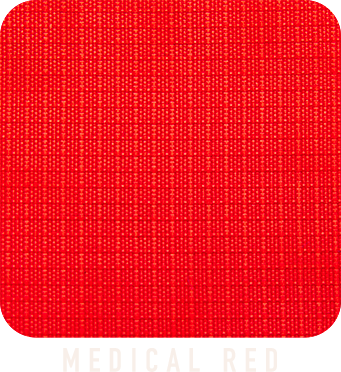
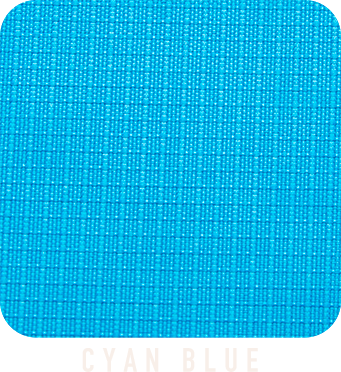
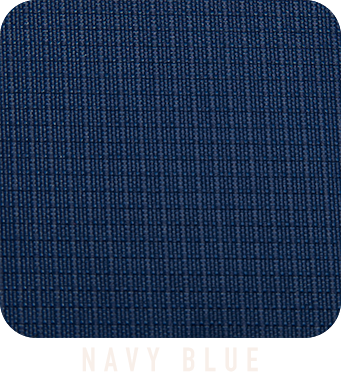
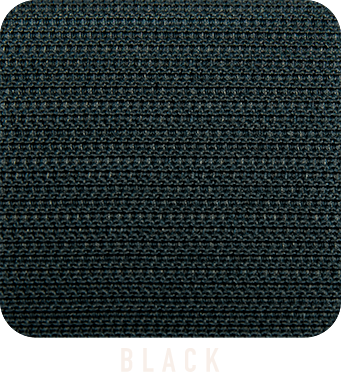
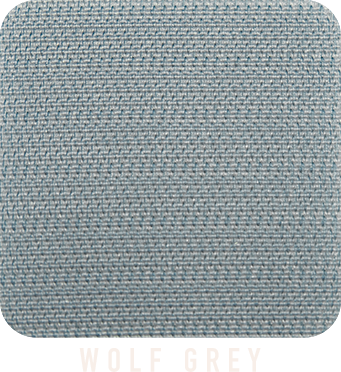
Patch Colour Options
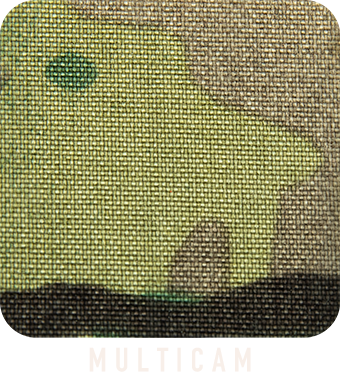 |
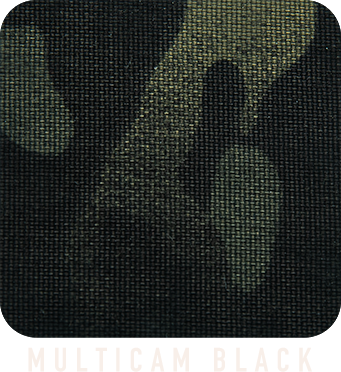 |
 |
 |
 |
 |
 |
 |
 |
 |
Patch Text / Font Colour Options
 |
 |
 |
 |
 |
 |
 |
 |
 |
 |
 |
 |
 |
 |
 |
 |
 |
 |
 |
 |
Warranty
We guarantee our products will be free from defects in materials and workmanship for the life cycle of the product. We will repair or replace products found defective at our sole discretion. Please retain your warranty card and original proof of purchase to redeem your warranty.